Why your brain loves anxiety is a question that once felt impossible to answer when I was in the middle of a panic spiral. Anxiety often feels like a burden, but it is also a fascinating, ancient signal your brain is programmed to send. I remember noticing how even small worries shaped my entire day. For example, waiting for an email reply would make me restless and unable to focus. At first, I thought something was wrong with me. Later, I discovered my brain was simply doing its job—trying to protect me.
Our brains evolved to prioritize safety above all else. Even when no real danger exists, the brain reacts as if threats are everywhere. Personally, realizing this gave me immense relief. Anxiety wasn’t proof of weakness; it was proof that my brain was wired for survival. In this post, I’ll explore why your brain loves anxiety and provide simple psychological tools to turn that alarm into insight.
1. Anxiety is Your Brain’s Natural Alarm System
The primary reason why your brain loves anxiety is that it functions as a built-in alarm system. It is constantly scanning for possible danger. This system is ancient; our ancestors relied on it for survival in unpredictable environments. Hearing a strange noise at night once meant life-or-death awareness. Today, the same system activates when we face deadlines, emails, or social pressure.
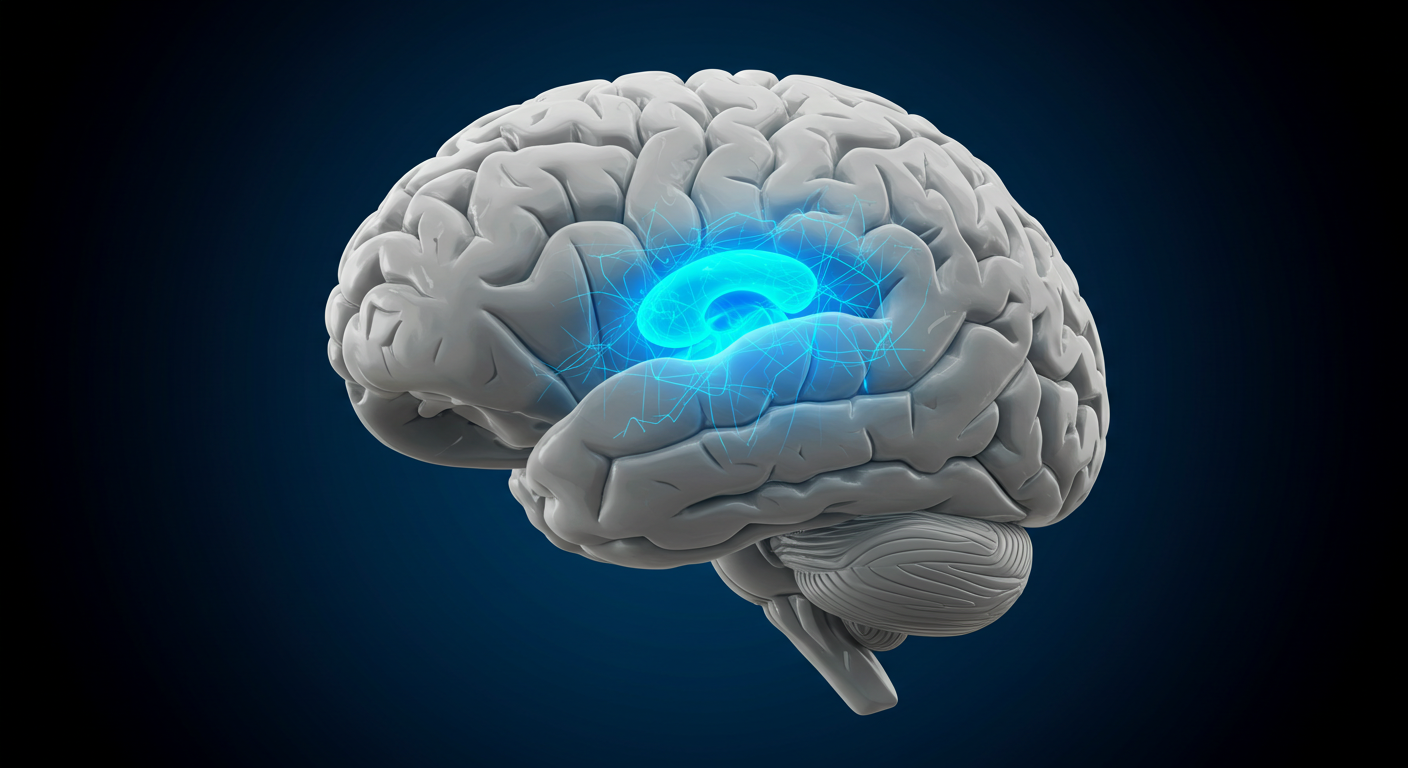
Research confirms that the amygdala, a small structure in the temporal lobe, activates whenever it senses risk. It pushes your body into a state of readiness—faster heartbeat, tense muscles, and sharper focus. Understanding anxiety as a protective alarm helped me change my perspective. It is not always an enemy; it is a signal that my brain is doing its job—sometimes too well.
Related Reading: Mind Studio Meditation Techniques
2. Anxiety Fuels Energy and Readiness
Another reason why your brain loves anxiety is its ability to fuel energy. When the alarm system goes off, stress hormones like cortisol and adrenaline flood the body. This prepares you to act quickly—fight, flee, or adapt. Even in everyday situations, this response can be useful if redirected.
Science supports this idea; mild anxiety can improve alertness and motivation. Many athletes describe “good stress” before competitions as a way to sharpen reflexes. However, prolonged exposure to cortisol can exhaust the body, which is why balance is critical. Recognizing the energy anxiety provides allows you to redirect it toward creativity or problem-solving rather than letting it turn inward.
3. Hijacked Attention is a Survival Feature
The final reason why your brain loves anxiety is that it forces you to pay attention. The brain tends to focus on potential threats, even when they are unlikely, to ensure you aren’t caught off guard. I experienced this on a morning run; instead of enjoying the rhythm, my brain replayed possible conflicts for an upcoming meeting.
Psychologists explain this through attentional bias, where an anxious brain prioritizes negative information. Recognizing this bias is key to healing. It allows you to separate real threats from imagined ones. When I learned to pause and structure my thoughts, I stopped the brain from spiraling into endless “what ifs.”
Practical Tools for Your Anxious Brain
Instead of fighting the signal, try these strategies to regulate your nervous system:
- Grounding: Name three things you see, hear, and feel to anchor yourself in the present.
- Externalizing Worries: Write down your fears. On paper, they often look less realistic, allowing the brain to settle.
- Somatic Release: Move your body. Exercise regulates stress hormones and burns off the excess energy anxiety creates.
- Worry Time: Set aside ten minutes to think through concerns. Outside that window, return to your tasks.
Conclusion: Living With an Anxious Brain
Anxiety once felt like a weight I couldn’t escape. But understanding why your brain loves anxiety changed everything. Now, I see it as a survival tool—an ancient signal designed to protect me. When managed wisely through journaling and mindful breathing, it becomes less destructive and more instructive.
If you struggle with these feelings, remember: your brain is trying to help you. Respect the signal, listen carefully, and respond with compassion. With practice, anxiety can transform from a burden into a guide for resilience.
👉 Visit Soojz | The Mind Studio for more tools